
Summer road trips place greater demands on your vehicle than daily commuting. Long periods of highway driving, high temperatures, heavy traffic, and fully loaded vehicles all increase the workload on the engine, cooling system, electrical system, and various sensors.
When a warning message such as Engine Power Reduced suddenly appears, many drivers immediately wonder whether it is still safe to continue driving. Is the problem minor, or could it lead to a roadside breakdown? Should you stop immediately, call a tow truck, or diagnose the vehicle first?
Understanding what engine power reduced means can help you make the right decision. With the best OBDII scanner for DIY in your vehicle, you can quickly read diagnostic trouble codes (DTCs), review live data, and identify whether the problem is related to the engine, fuel system, ignition system, or sensors before deciding on the next step.
This guide explains the most common causes of reduced engine power during long-distance driving, how to diagnose the problem using an OBD-II scanner, and when it is safe to continue driving or seek professional repair.
1. Vehicle Won’t Start Before Departure
If your car suddenly refuses to start before a road trip, the most common causes include:
- Weak or aging battery
- Alternator charging failure
- Starter motor failure
- Ignition system issues
- Anti-theft system malfunction
If the engine cranks weakly, you only hear a clicking sound, or your car has power but won’t start no click, the battery is usually the first thing to check.
Our blog What to Do When Your Car Won’t Start Before a Trip explains in detail how to start car dead battery situations, how to distinguish between battery, starter, alternator, and ignition problems, and how to determine whether a simple jump-start is enough or if further repair is needed.

Car Won’t Start Before a Trip: 10-Minute Crank no Start Troubleshooting Guide
During peak travel seasons—whether you’re heading out on a road trip, returning home for the holidays, or driving to a major event—few situations are more frustrating than a crank no...
It also explains how an OBD2 scanner can read trouble codes and voltage data, helping you quickly identify the general fault direction and reduce delays.
2. Common Causes of Engine Power Low and Misfires During Highway Driving
During long summer drives, sustained high temperatures and continuous high load operation often expose hidden issues such as:
- Ignition coil failure
- Worn spark plugs
- Fuel injector malfunction
- Weak fuel pump supply
- Crankshaft or camshaft position sensor failure
- Mass airflow sensor issues
These problems usually cause poor acceleration, engine shaking, and a noticeable engine power low sensation, especially during overtaking or uphill driving. As the issue worsens, the check engine light may turn on or flash. You might wonder what this unexpected engine power reduced means for your trip. In severe cases, the engine may stall while driving.
If you experience this on the highway, you can refer to What to Do When Your Car Loses Power During Summer Road Trips . It explains common symptoms of misfires, fuel delivery issues, and sensor failures.

How to Fix Engine Stalling Issues During Summer Road Trips Using an OBD2 Scanner
Summer is the peak season for road travel. Whether you are driving to watch major football events, taking a family vacation, or traveling between cities, unexpected engine stalling can become...
For instance, scanning the system can tell you if a can a bad cam sensor cause misfire issue is the root cause behind your engine shaking, or if a specific can camshaft position sensor cause misfire code has been stored in the computer.
Often, checking live data reveals clear fuel rail pressure sensor symptoms—such as erratic fuel pressure readings—or typical signs of bad fuel pressure sensor that point directly to a fueling line clog. If it is an electrical issue rather than a mechanical one, knowing where is a fuel pump relay located to check the fuse, or checking for faulty fuel pressure sensor symptoms like poor acceleration, might save you from a major repair bill before you even visit a workshop.
3. Sudden Dashboard Warning Lights
During long-distance driving, the most common warning lights include:
- Check Engine Light
- Coolant Temperature Warning
- Battery Warning Light
- Tire Pressure Warning Light
- ABS Warning Light
- Oil Pressure Warning Light
Although they all look like simple dashboard icons, the level of risk behind them can be very different.
Some issues may only require checking tire pressure or topping up fluids at the next service area. Others require immediate stopping to avoid severe mechanical damage.
Most Common Dashboard Warning Lights Explained for Long-Distance Driving provides detailed explanations of what each warning light means, common causes, and whether you can continue driving or must stop immediately.

Which Dashboard Warning Lights Are Most Likely to Come On During a Road Trip?
Dashboard warning lights often appear when drivers least expect them. A check engine light, ABS warning light, or car battery light on alert can quickly turn a normal drive into...
4. Sudden Highway Breakdown
If your vehicle completely loses power or cannot restart on the highway, safety should be the top priority:
- Turn on hazard lights.
- Move the vehicle to the emergency lane if possible.
- All passengers exit from the side away from traffic.
- Move behind the guardrail or far from the roadway.
- Call roadside assistance if necessary.
This is a simplified version of the procedure. For full safety guidance, refer to What to Do When Your Car Breaks Down on the Highway , which explains whether you should place warning triangles, stay inside the vehicle, request towing, or wait for police assistance depending on the situation.
It also explains how an OBD2 scanner can help determine whether the vehicle can still restart or must be towed.

What Should You Do If Your Car Breaks Down on Highway?
A car breakdown on highway can happen without warning. Learn the correct safety steps, common causes, and how an OBD2 scanner can help identify problems.
5. Pre-Trip Vehicle Inspection Checklist for Summer Driving
Many breakdowns can be prevented with proper pre-trip inspection. Key items include:
- Battery health condition
- Alternator output voltage
- Coolant level
- Cooling system condition
- Tire pressure and tread depth
- Brake system condition
- Filter condition (air, fuel, cabin)
Summer Road Trip Vehicle Inspection Checklist shows which parts are more likely to run into trouble in hot weather and during long highway driving, and how a simple pre-trip check can help you avoid those risks. It also explains how basic OBD2 tools can pick up early signs of hidden problems before you hit the road.

Pre-Trip Vehicle Preparation Guide: How to Use an OBD2 Scanner to Ensure Safe Travel
Before a long summer road trip, a quick vehicle inspection can help identify potential problems before they become roadside breakdowns. Using an OBD2 scanner allows drivers to check fault codes and monitor vehicle conditions.
Why the Best OBDII Scanner for DIY Is Your Best Travel Companion
As shown above, many vehicle issues give early warning signs before they become serious. Although OBD2 scanners are often associated with repair shops, they are also very useful for drivers who want the best OBDII scanner for DIY purposes when they travel long distances or want a better understanding of their vehicle condition.
When a warning light appears or abnormal behavior occurs, learning obd ii scanner how to use steps can help you quickly read the dtc code meaning, display live data, and identify the problem direction within minutes. If your scanner reads zero codes, knowing what does 0 dtc mean on a code reader will give you immediate peace of mind. This helps you decide whether the car is safe to drive and estimate repair scope and cost, reducing the risk of unnecessary repairs.
For everyday drivers, useful functions include:
- Read and clear fault codes
- View real-time engine data
- Check battery and charging system voltage
- Access manufacturer-specific fault information
- Perform maintenance reset functions
If you are planning to buy a used car, an OBD2 scanner can also help reveal hidden issues that cannot be detected during a short test drive.
- Maintenance reset (e.g., oil change light reset)
- ECU programming and hidden feature activation
- AI-assisted diagnostics for fault analysis and troubleshooting guidance
THINKCAR: Professional Automotive Diagnostic Solutions for Drivers and Repair Shops
THINKCAR offers a complete range of automotive diagnostic products for both individual drivers and professional repair shops.
For everyday car owners, portable OBD2 scanners provide fault code reading, live data monitoring, an obd2 scanner with abs reset function, and AI-assisted diagnostics, making it easy for non-professionals to understand vehicle status.
For repair shops, THINKCAR professional tools support advanced troubleshooting. If you wonder what is a bidirectional scan tool, it is a device that allows workshops to run active tests and command components. THINKCAR professional tools support:
- Bi-directional control (Active Test)
- ECU coding
- CAN FD protocol
- Full-system diagnostics
- Dozens of special service functions
- Online technical forums
- AI-powered diagnostics
Whether for peace of mind during summer road trips or improving workshop efficiency during peak season, a proper diagnostic tool can save significant time and help make better repair decisions.
Recommended OBD2 Diagnostic Tools for Road Trip & DIY Drivers
Choosing the right diagnostic tool can make a major difference when dealing with issues like reduced engine power, engine performance problems, or unexpected breakdowns during summer road trips.
For Personal Users: MUCAR BT200 MAX vs ThinkDiag 2
For most DIY drivers, the MUCAR BT200 MAX is a great starting point. It offers full OBD2 diagnostics, real-time data monitoring, basic reset functions, and AI-assisted fault analysis without any subscription fees. This makes it especially useful for quickly identifying common road issues such as a weak battery, misfires, engine power problems, or sudden loss of power during highway driving.
If you need more advanced functions, the ThinkDiag 2 is a better upgrade option. Compared to the BT200 MAX, it provides deeper OE-level system access and supports more advanced ECU coding functions, especially for European vehicles. It is more suitable for users who want to go beyond basic diagnostics and perform module-level analysis with more detailed troubleshooting capabilities.
Simple difference:
BT200 MAX focuses on easy, no-subscription AI-powered basic diagnostics, while ThinkDiag 2 is designed for deeper OE-level access and advanced coding capabilities.
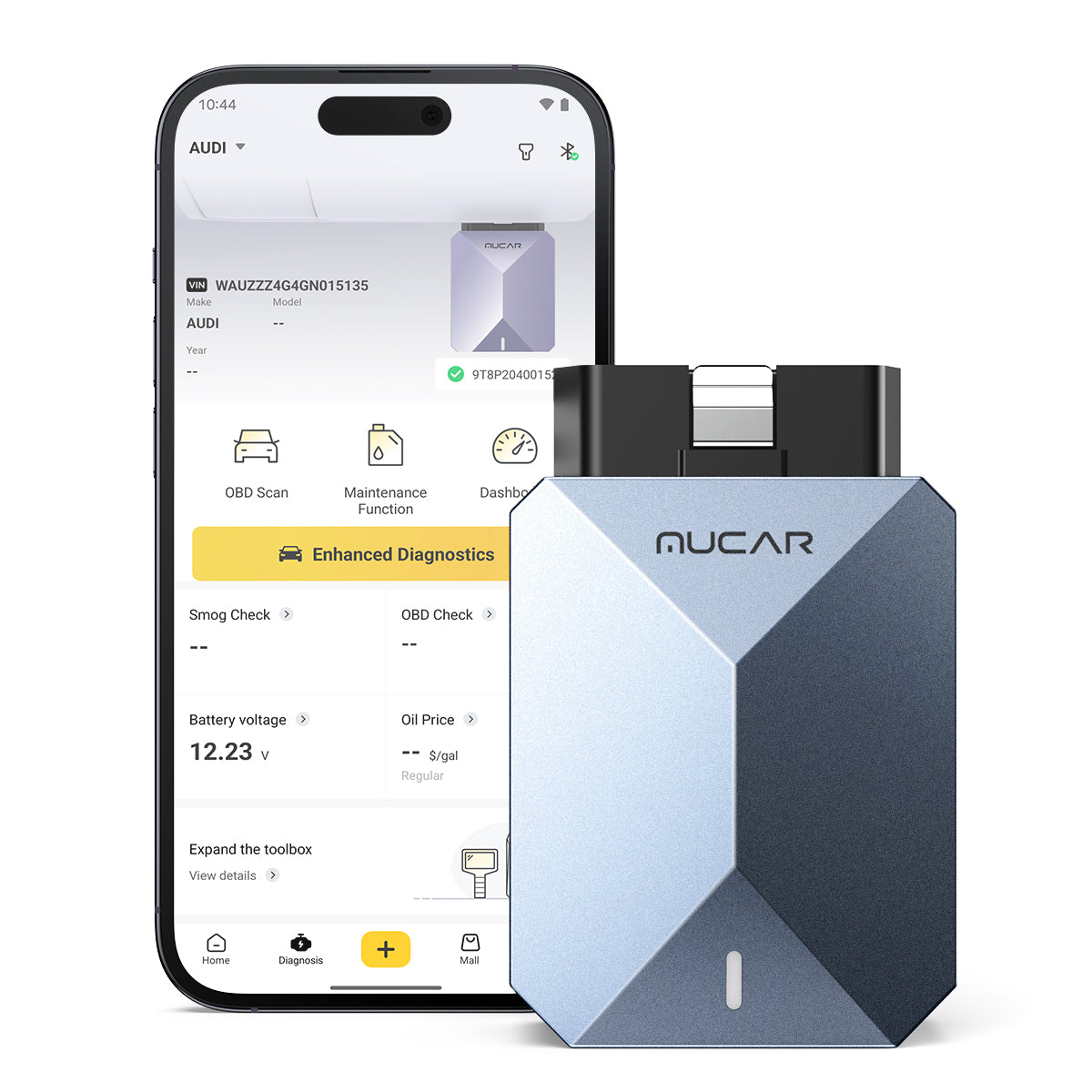
MUCAR BT200 MAX
An AI-powered OBD2 scanner for DIY drivers, offering easy vehicle diagnostics, live data, and bidirectional control.
Buy Now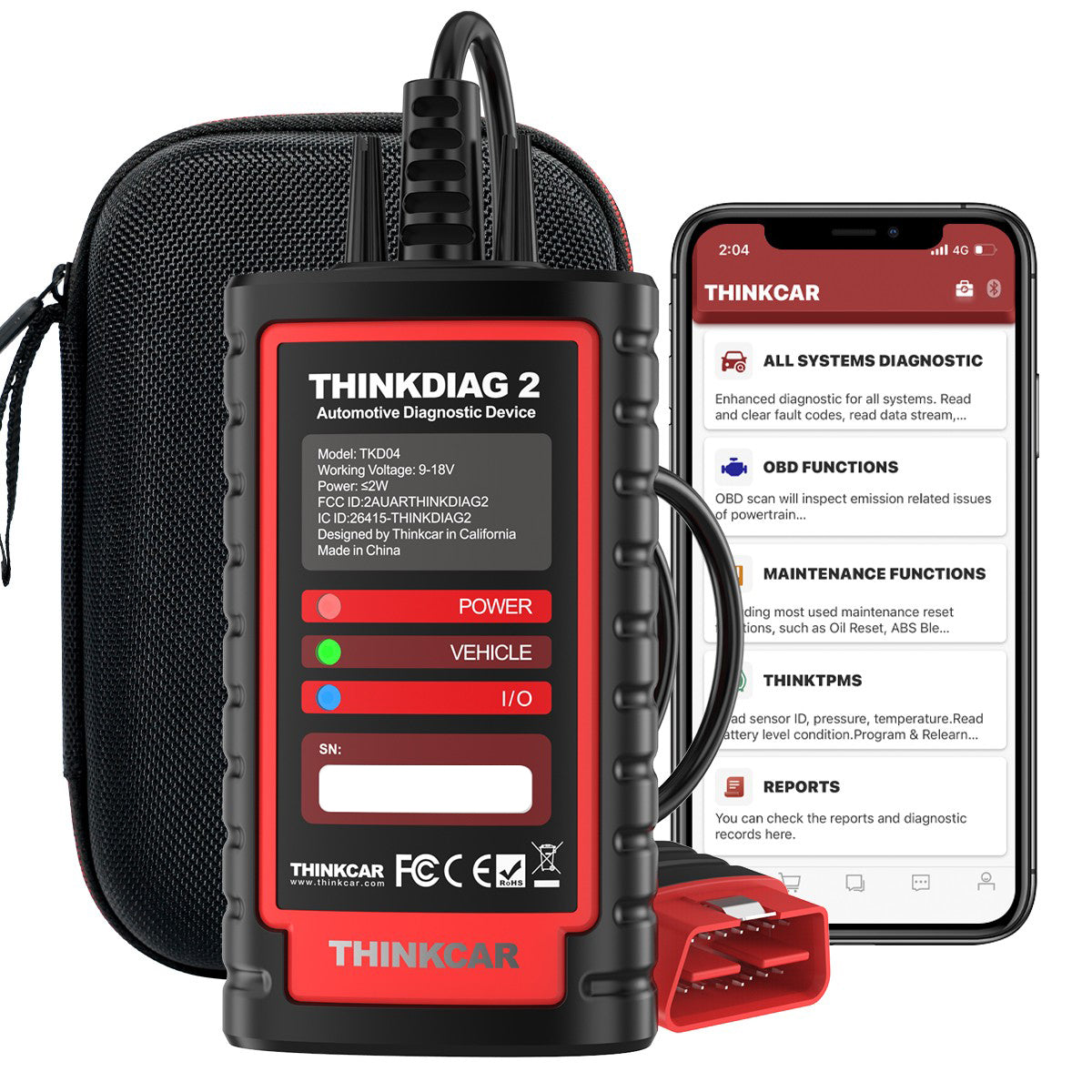
THINKDIAG 2
An advanced diagnostic tool with OE-level access, ECU coding, and deeper vehicle analysis for experienced DIY users.
Buy NowFor Repair Shops: MUCAR VO8 vs THINKSCAN 689BT
For small or mobile repair businesses, the MUCAR VO8 is a strong all-in-one diagnostic tablet. It supports full-system diagnostics, ECU coding, bidirectional control, and 34+ maintenance services, making it suitable for quickly handling common faults such as sensor failures, fuel system issues, and engine performance problems.
For larger workshops or professional multi-bay garages, the THINKSCAN 689BT offers a more powerful solution. It provides OE-level full-system coverage, stronger bi-directional control, and advanced ECU coding capabilities with CAN-FD and DoIP support. This makes it more efficient for handling complex diagnostic tasks across multiple vehicle brands.
Simple difference:
VO8 is ideal for flexible and mobile repair setups, while THINKSCAN 689BT is built for high-volume professional workshop environments.
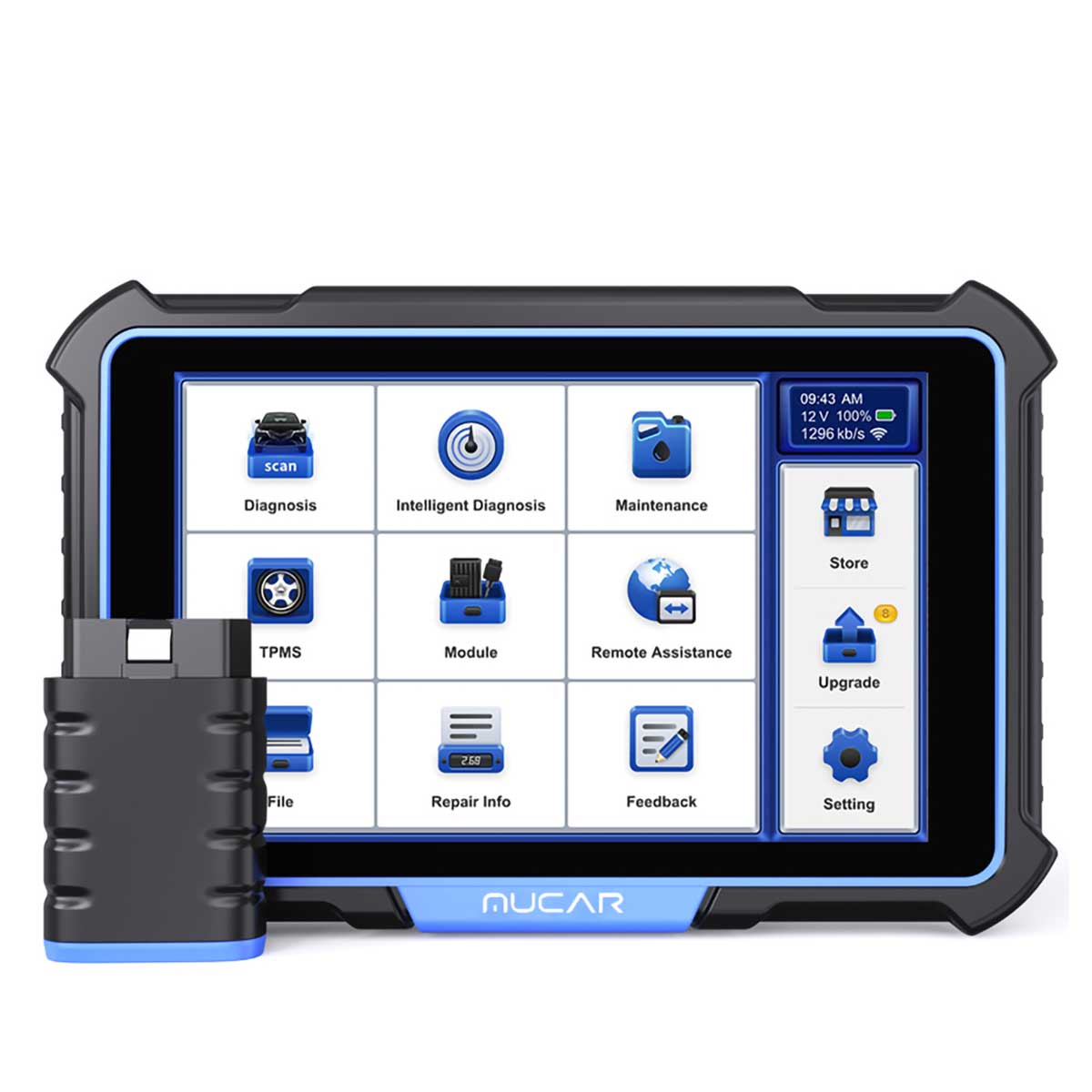
MUCAR VO8
An all-in-one diagnostic tablet for mobile mechanics and repair shops with advanced repair functions.
Buy Now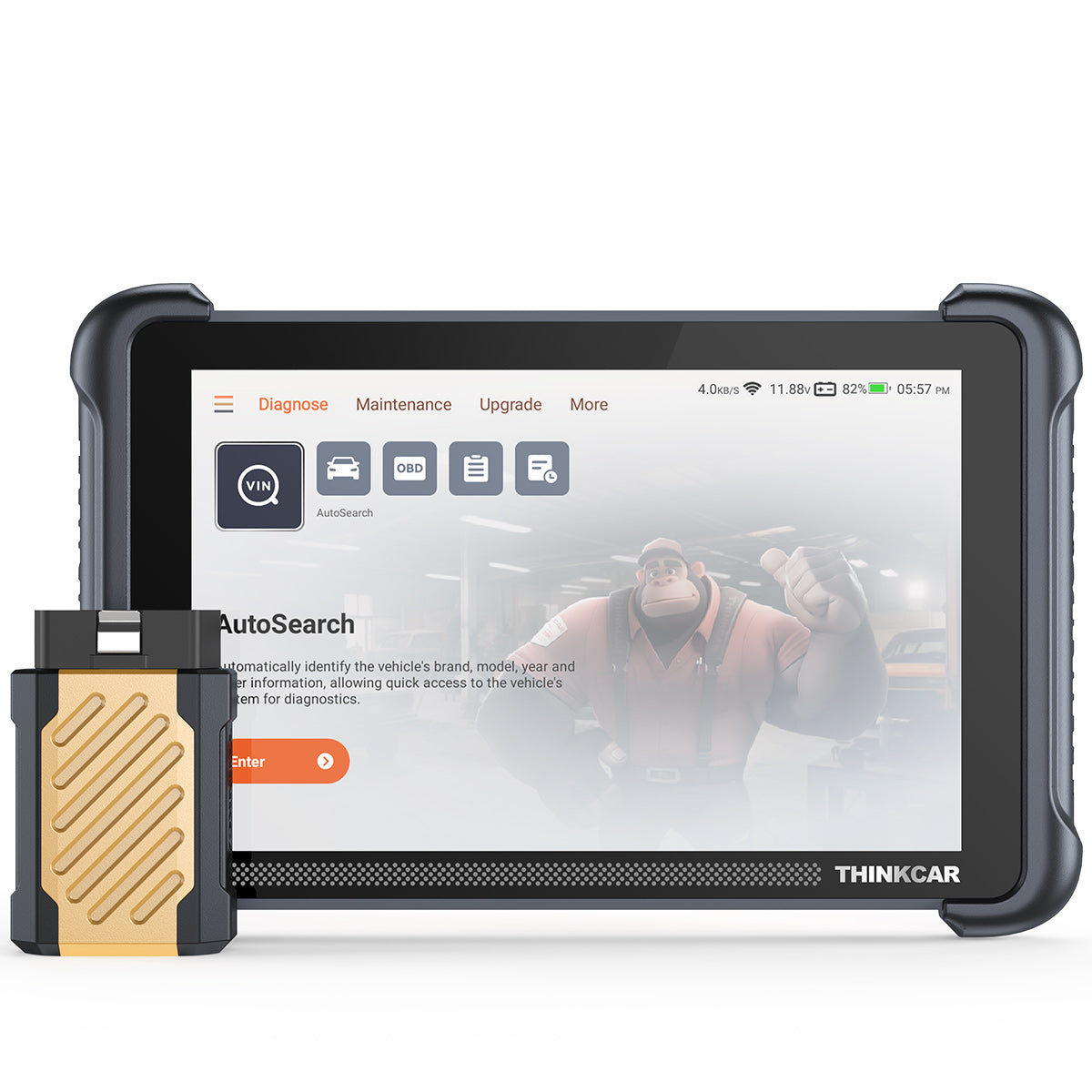
THINKSCAN 689BT
A professional bidirectional scan tool designed for workshops requiring advanced diagnostics and ECU coding.
Buy NowConclusion
After a long road trip, it is worth reviewing how to better prepare your vehicle and reduce the chance of unexpected problems during your next journey.
THINKCAR provides you with the excellent choices for the best obdii scanner for diy. They do not prevent mechanical failures from happening, but they allow you to understand your vehicle’s real condition within minutes. Getting to the bottom of what engine power reduced means and finding out exactly where the fault has occurred before calling roadside assistance is crucial.
In many situations, making a quick and reasonably accurate diagnosis can save time and help you avoid bigger problems on the road.

Share:
What Is a J2534 Pass-Thru Device? A Complete Guide to J2534 Interfaces and Vehicle Communication
How Does J2534 ECU Programming Work? A Complete Guide to Pass-Thru Programming