
Before a long summer road trip, a quick vehicle inspection can help identify potential problems before they become roadside breakdowns
Using an OBD2 scanner allows drivers to check fault codes, battery voltage, coolant temperature, fuel trim, and other key vehicle data in minutes.
Summer road trips often involve high temperatures, long highway drives, traffic congestion, and a fully loaded vehicle. These conditions place additional stress on your car.
Many vehicle problems develop gradually before triggering a warning light. Learning how to use an OBD2 scanner before a long trip can help drivers identify hidden problems early, especially when using a portable car diagnostic tool capable of reading check engine light codes and monitoring live vehicle data.
Why Is a Vehicle Inspection Important Before a Long Trip?
During daily commuting, many developing issues may not be immediately noticeable. However, during a summer road trip, extra passengers and luggage increase the load on the vehicle, while sustained highway driving keeps the engine operating under continuous high load.
If the vehicle already has minor issues such as intermittent misfires, misfire at idle conditions, fuel delivery problems, abnormal air fuel ratio readings, or early symptoms of bad MAP sensor performance, these small and easily overlooked problems can quickly become more serious during long-distance driving.
Possible consequences include:
- The Check Engine Light turning on during the trip
- Reduced A/C performance in heavy traffic
- Low battery voltage causing a no-start condition
- Engine overheating
- Noticeable power loss and increased fuel consumption
Most vehicle problems do not occur suddenly. They typically follow this progression:
Data abnormalities → Performance changes → Warning lights → Trip disruption
Battery voltage fluctuations, rising coolant temperatures, abnormal intake readings, vacuum leak at intake manifold conditions, and fuel trim deviations are often invisible during a simple visual inspection, but can be detected before the warning light comes on with an OBD2 live data scanner.
A basic pre-trip inspection and diagnostic scan usually takes only 10 to 15 minutes and can help identify potential issues before they turn into roadside problems.
How to Use a Scan Tool Before Long-Distance Travel
Many drivers assume that vehicle inspections are complicated. In reality, checking a few key systems before departure can prevent the majority of common road-trip problems. If you have a basic OBD2 diagnostic scanner, the process becomes faster and more informative.
1. Fluids Check
Your vehicle relies on several essential fluids, including:
- Engine oil
- Coolant
- Brake fluid
- Transmission fluid (if applicable)
- Windshield washer fluid

Before a long trip, confirm that all fluid levels are within the recommended range and top off or replace them according to the maintenance schedule.
Proper fluid levels help reduce the risk of engine overheating, reduced braking performance, and poor windshield visibility, making this one of the most fundamental and important pre-trip checks.
2. Engine System Inspection Using an OBD2 Scanner for Home Use
The engine is the core system of the vehicle and should be the top priority before any long-distance trip.
Before departure, review your most recent maintenance history. For example, when was the engine oil last changed, and is the vehicle approaching the next service interval? Clean engine oil provides proper lubrication during extended high-temperature operation and helps reduce wear and overheating.
Basic inspection items:
- Confirm the engine oil level is within the normal range
- Check whether the oil change interval is approaching
- Inspect the engine bay for visible oil leaks
Many drivers rely on engine sound and idle quality to judge engine condition. For most vehicle owners, using a portable OBD2 scanner for home use or DIY OBD2 scanner is a faster and more accurate way to evaluate engine health. In just a few minutes, you can read diagnostic trouble codes and key operating data.
OBD2 items to check:
- Active Codes: Current faults that may trigger the Check Engine Light
- Stored Codes: Historical faults that reveal recurring issues
- Pending Codes: Early indicators of abnormal trends before a warning light appears
- Engine RPM: Used to evaluate idle stability
- Coolant Temperature: Helps identify overheating risk
- Fuel Trim: Used to detect fuel delivery problems, intake leaks, fuel pressure sensor symptoms, or mixture imbalances
- Misfire Data: Helps identify ignition and combustion irregularities
These data points catch the hidden gremlins that a visual check might miss—think minor misfires, symptoms of bad fuel injector issues, skewed air fuel ratio readings, or cooling hiccups.
If the scan flags anything unusual, it’s worth sorting it out before you hit the road. It’s a lot easier to fix a small issue now than to deal with a sluggish engine, gas-guzzling, or a 'Check Engine' light in the middle of your trip.
3. Battery and Charging System Inspection
A no-start condition is one of the most common travel disruptions, and battery or charging system problems are among the leading causes.

Before departure, perform a quick visual inspection:
- Check whether battery terminals are loose
- Look for corrosion on the terminals
- Inspect the battery case for swelling, cracks, or aging
If the vehicle has been parked for an extended period or the battery is more than two to three years old, it deserves special attention.
Using an OBD2 scanner to monitor voltage is often more informative than visual inspection alone.
OBD2 items to check:
- Cranking Voltage: Evaluates battery performance during engine start
- Charging Voltage: Confirms alternator output at idle
- Alternator Output: Checks charging system performance
- Voltage Fluctuation: Identifies unstable voltage conditions
If cranking voltage is low or charging voltage is abnormal, consider testing or replacing the battery before the trip.
4. Cooling and A/C System Inspection
During summer sports travel, few things are more frustrating than being stuck in traffic with a weak or non-functioning air conditioner. At the same time, high temperatures and extended driving place greater demands on the engine cooling system.
Basic inspection items:
- Coolant level is within the normal range
- No visible leaks in the engine bay
- A/C blows cold air
- Airflow from the vents is strong
- Cooling fans engage properly
OBD2 items to check:
- Coolant Temperature: Detects overheating trends
- Cooling System Trouble Codes: Identifies sensor or fan control issues
- Fan Operation Status: Confirms radiator fan performance
If coolant temperature is consistently high, the cooling fan behaves abnormally, or A/C performance is weak, further inspection is recommended before departure.
5. Air Filters and Air Intake System Inspection

Air filters play a dual role in vehicle performance and occupant comfort.
The engine air filter is part of the intake system and filters the air entering the engine. If the filter is clogged, it can restrict airflow, reduce combustion efficiency, increase fuel consumption, and cause rough idle, power loss, or even a Check Engine Light.
The cabin air filter manages the interior environment. Over time, debris buildup restricts HVAC airflow and compromises cooling efficiency. Replacing a dirty filter—especially before peak summer—is the easiest way to eliminate odors and boost AC performance.
Basic inspection items:
- Verify filters aren't past their service life or excessively soiled.
- Inspect intake ducting for secure fitment and signs of cracking.
OBD2 items to check:
- MAF (Mass Air Flow) Data: Verifies proper intake airflow
- Fuel Trim: Detects intake leaks and mixture abnormalities
- Air-Fuel Ratio: Evaluates combustion efficiency
- Emissions System Status: Helps identify intake and fuel system issues
These readings can reveal clogged filters, intake contamination, and mixture problems that are not obvious during a visual inspection.
6. Tires and Brake System Inspection
Tires and brakes are your primary contact with the road. Their condition directly dictates your traction, handling, and stopping power—the three most critical factors for a safe long-distance haul.
Basic tire inspection:
- Pressure Check: Use a gauge to ensure tires are set to the manufacturer’s specs.
- Tread & Wear: Check for adequate tread depth and look for any unusual wear patterns.
- Physical Damage: Scan the sidewalls for bulges, cracks, or any signs of dry rot.
Basic brake inspection:
- Fluid Health: Verify the brake fluid level and make sure it’s clear, not dark or contaminated.
- Listen for Warnings: Pay attention to any high-pitched squealing or metal-on-metal grinding.
- Pedal Feel: Note if the brake pedal feels unusually stiff or if you’re noticing a longer stopping distance.
- Pad Life: Visually inspect the brake pad thickness; if they’re getting thin, swap them out now.
OBD2-assisted checks using a scan tool for TPMS may include:
- ABS Trouble Codes
- TPMS Warning Codes
- Brake-related electronic system codes (if supported)
If tire pressure is abnormal, tread is severely worn, or the brake system shows warning signs, address the issue before departure.
7. Lighting and Electrical System Inspection
Lighting and electrical systems are critical for safe driving at night, in tunnels, and during severe weather. Many modern drivers now use a portable car scanner for check engine light monitoring and electrical diagnostics before long-distance travel.
Basic inspection items:
- Low beams and high beams
- Brake lights
- Turn signals
- Fog lights (if equipped)
- Interior lights
- Wipers, windows, and instrument cluster functions
- If any light is dim, flickering, or inoperative, replace the bulb or inspect the circuit.
OBD2 items to check:
- BCM (Body Control Module) Trouble Codes
- Lighting Control Faults
- Voltage System Abnormalities
Electrical faults can cause lighting issues and unstable operation of other electronic components. If codes are present, investigate before departure.
8. Belts and Hoses Inspection

Accessory belts and rubber hoses play a critical role in A/C operation, alternator charging, and engine cooling.
Basic inspection items:
- Belts for cracks, glazing, fraying, or looseness
- Coolant hoses for swelling, leaks, or age-related deterioration
- Intake hoses for tears or loose connections
These rubber components naturally age due to heat and time, regardless of vehicle age. A quick inspection can help prevent A/C failure, charging problems, or engine overheating during the trip.
How to Use an OBD2 Scanner for a Pre-Trip Vehicle Inspection
A portable OBD2 scanner allows everyday drivers to perform most essential checks without professional equipment. In just a few minutes, you can read trouble codes, monitor live data, and determine whether the vehicle is ready for the road.
Recommended features:
- Plug and Play: Connect to the OBD port and start scanning immediately. If you are unsure where to plug in an OBD2 scanner, the port is typically located beneath the dashboard near the steering column.
- Code Reading: Read Active, Stored, and Pending Codes for reading check engine light codes and identifying early system abnormalities.
- Reset Functions: Clear temporary codes to confirm whether a problem is intermittent.
Note: Clearing codes does not repair the underlying issue.
- Live Data: Monitor coolant temperature, engine RPM, battery voltage, airflow, and fuel trim.
- Battery Check: Detect battery aging, unstable voltage, and charging abnormalities.
Recommended Portable OBD2 Scanners for Road Trips
MUCAR BT200 MAX
Best for everyday drivers, family vehicles, and users who want a simpler diagnostic experience.
Ideal for drivers looking for the best DIY OBD2 scanner or an easy-to-use car diagnostic tool for everyday vehicle inspections. It supports AI-assisted diagnostics, full-system scanning, bi-directional control, and free lifetime updates.
The software automatically explains fault information, making it easier for non-professional users to understand vehicle condition.

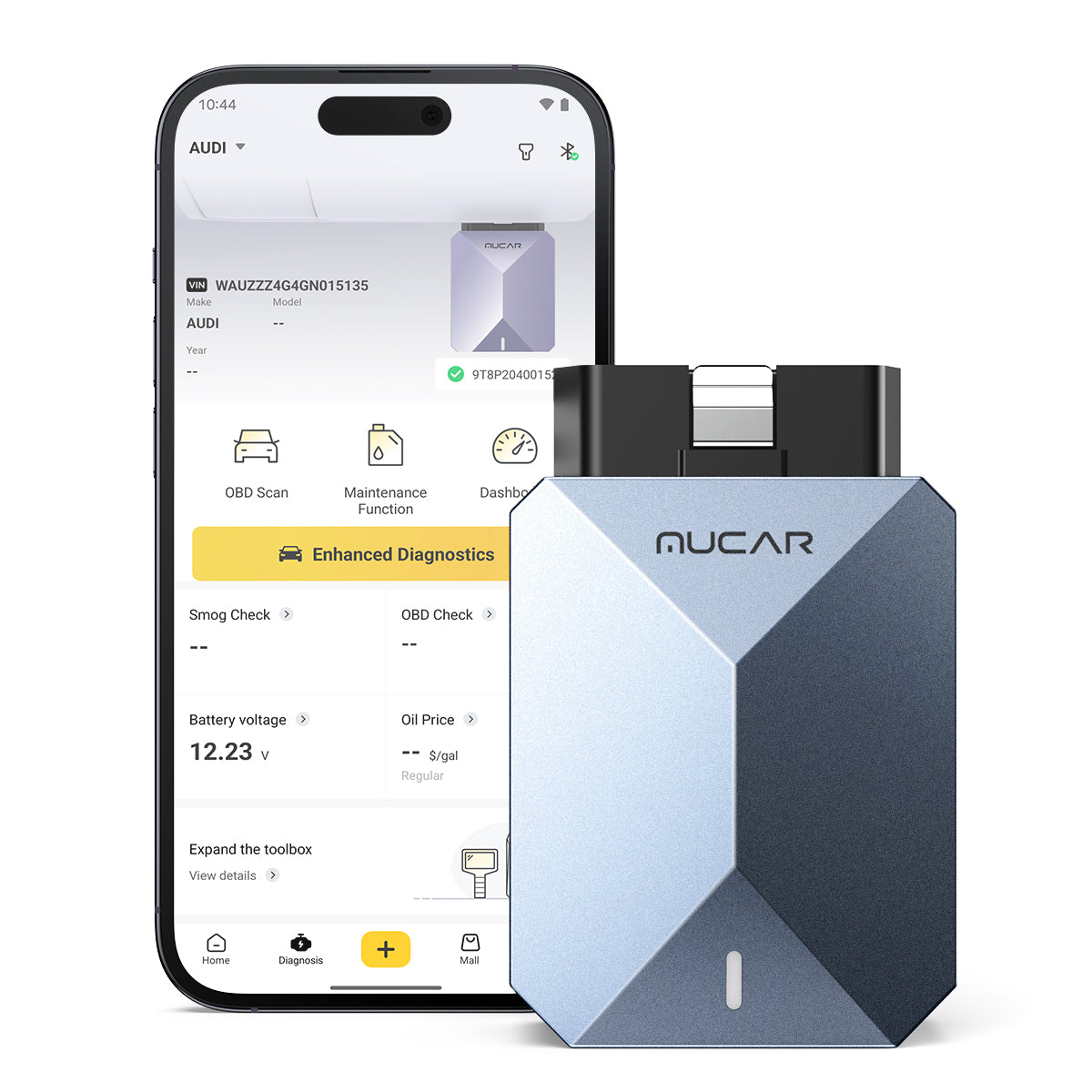
MUCAR BT200 MAX Ai Diagnostic OBD2 Scanner
Key benefits:
- Full-system vehicle diagnostics
- AI-powered fault analysis
- Bi-directional control with lifetime free updates
- Battery and charging system checks
- Bluetooth wireless connection
- Real-time monitoring through an OBD2 live data scanner
ThinkDiag 2
Best for advanced DIY users, multi-vehicle owners, and drivers who want deeper diagnostic capabilities.
ThinkDiag 2 is better suited for users searching for the best bi directional scan tool for home mechanic applications while still keeping the convenience of a portable Bluetooth scanner.
In addition to full-system diagnostics and bi-directional control, it also supports ECU Coding and CAN-FD protocol coverage for newer vehicles.

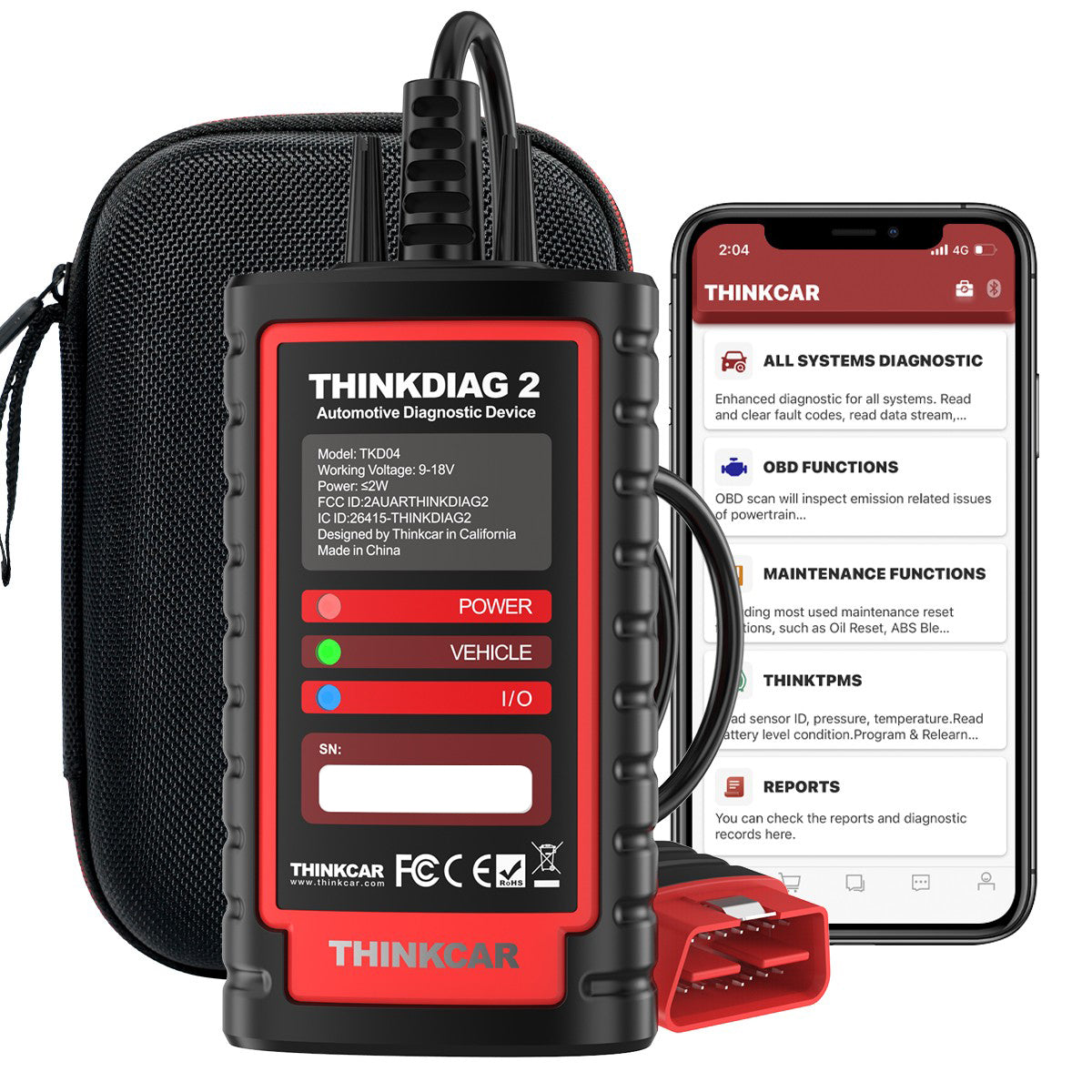
ThinkDiag 2 Bi-Directional Diagnostic Scan Tool
Key benefits:
- CAN-FD support for newer models
- ECU Coding capabilities making it one of the best OBD2 scanners for DIY troubleshooting and advanced home diagnostics.
- Full-system diagnostics
- Bi-directional tests
- Real-time live data monitoring
- Compact Bluetooth design
Regardless of which tool you choose, the main purpose is not to repair the vehicle on the roadside, but to identify potential problems early and reduce the risk of breakdowns during the trip.
Frequently Asked Questions About Using an OBD2 Scanner Before a Road Trip
How to Use an OBD2 Scanner Before a Long Trip?
Connect the OBD2 scanner to the vehicle's diagnostic port and turn the ignition on. If you're unsure where to plug in an OBD2 scanner, the port is usually located beneath the dashboard near the steering wheel. Read any active, stored, or pending trouble codes, then review live data such as battery voltage, coolant temperature, engine RPM, and fuel trim. Learning how to use an OBD2 scanner before traveling can help identify potential vehicle problems early.
What Should I Check with an OBD2 Live Data Scanner Before a Road Trip?
Before a road trip, use an OBD2 live data scanner to check battery voltage, coolant temperature, fuel trim, engine RPM, and airflow readings. These values can help identify common issues such as a misfire at idle, a vacuum leak at intake manifold, symptoms of bad MAP sensor performance, fuel pressure sensor symptoms, or symptoms of bad fuel injector operation before they affect drivability.
What Is the Best DIY OBD2 Scanner for Home Use?
The best DIY OBD2 scanner depends on the level of diagnostics you need. For basic vehicle health checks and reading check engine light codes, a DIY OBD2 scanner can quickly identify fault codes and monitor live data. More advanced users may prefer a best bi directional scan tool for home mechanic applications that supports active tests and full-system diagnostics.
10-Minute Pre-Trip Vehicle Inspection Checklist
- Plug in the OBD2 scanner and confirm the connection before reading check engine light codes
- Read diagnostic trouble codes
- Check battery voltage
- Review engine live data
- Monitor coolant temperature and cooling system status
- Confirm proper A/C performance
- Inspect tires and lights
- Clear temporary codes if necessary
- Verify that no critical issues are present before departure
The entire process usually takes less than 10 minutes but can significantly reduce the chance of unexpected problems on the road.
Travel Essentials to Keep in Your Vehicle
In addition to luggage and navigation devices, consider bringing:

Travel Essentials Checklist
- Portable car diagnostic tool or DIY OBD2 scanner
- Spare tire
- Tire pressure gauge
- Jumper cables
- Basic tool kit
- Extra engine oil
- Coolant / antifreeze
- Windshield washer fluid
- Emergency flashlight
The greatest value of a portable OBD2 scanner is not repairing the vehicle, but identifying problems before they disrupt your trip.
Whether you are at a highway service area, sitting in traffic, or responding to a newly illuminated warning light, a quick scan can help you understand the vehicle's condition and make informed decisions.
Conclusion
A successful journey often begins with a careful pre-trip inspection. Many vehicle problems provide warning signs long before they become serious. Spending just 10 minutes checking your vehicle is far easier than waiting for roadside assistance on the shoulder of the highway.
Whether you are inspecting your tires, A/C system, and battery, or learning how to use an OBD2 scanner to monitor vehicle data, the goal is the same: to make your summer sports road trip safer, smoother, and more enjoyable.

Share:
Bad Crankshaft Position Sensor Symptoms
Symptoms of a Bad Camshaft Position Sensor